Client · Black Swan
Industry · Fintech
Country · Tanzania
Making Alternative Financial Data Visible
Designing a credit platform for borrowers who have always been told they do not qualify.

Brief
Mtaa wa Manka converts mobile money data into affordability insights that lenders can use to prequalify borrowers. It targets Sub-Saharan Africa, where large populations transact entirely outside formal banking and are therefore invisible to traditional credit scoring, not because they lack financial activity, but because that activity lives in the wrong places.
I was Design Lead with full autonomy over the borrower experience, information architecture, partner-facing back-office, and design adaptation across mobile and desktop.
The Challenge
Borrowers were not uncreditworthy, but invisible. Their financial activity sat across fragmented, non-traditional data that lenders could not interpret or trust, leading to conservative decisions or outright rejection.
The challenge was to translate this fragmented behaviour into a clear, credible affordability profile that both borrower and lender could act on, while working within strict lending constraints, limited data depth, and a high-trust, regulated environment.
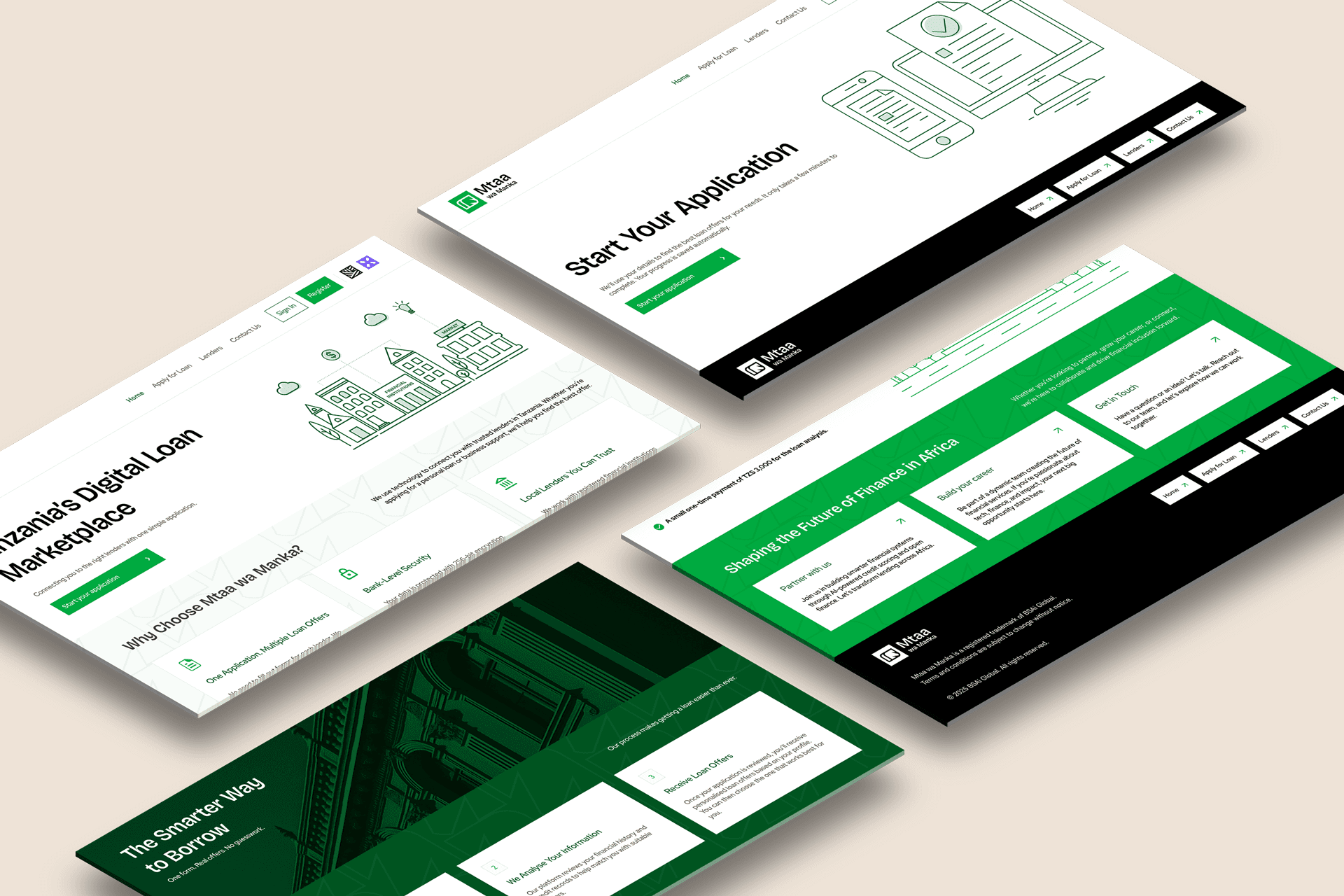
Three Decisions That Mattered
Prequalification Before Application
Users receive affordability feedback before committing to a full loan process. This reframes credit from a black box into a transparent system — one where you understand what you qualify for before you invest time and emotional energy in an application.
Trade Off
Some users disengage after seeing their result rather than proceeding. This was preferable to the alternative: users completing a full application only to receive a rejection, which was the experience that had already eroded trust in credit products for this demographic.
Payment After a Positive Result
Users pay the prequalification fee only after receiving a positive affordability decision. Charging upfront amplifies mistrust. Payment after success signals that the system is designed around the borrower's outcome, not the platform's revenue.
Trade Off
No fee collected from users who receive negative results, even though the analysis was performed. The business rationale: a user who pays before a negative result does not return. A user who receives a clear negative result for free, with an invitation to reapply, might.
A Downloadable Prequalification Certificate
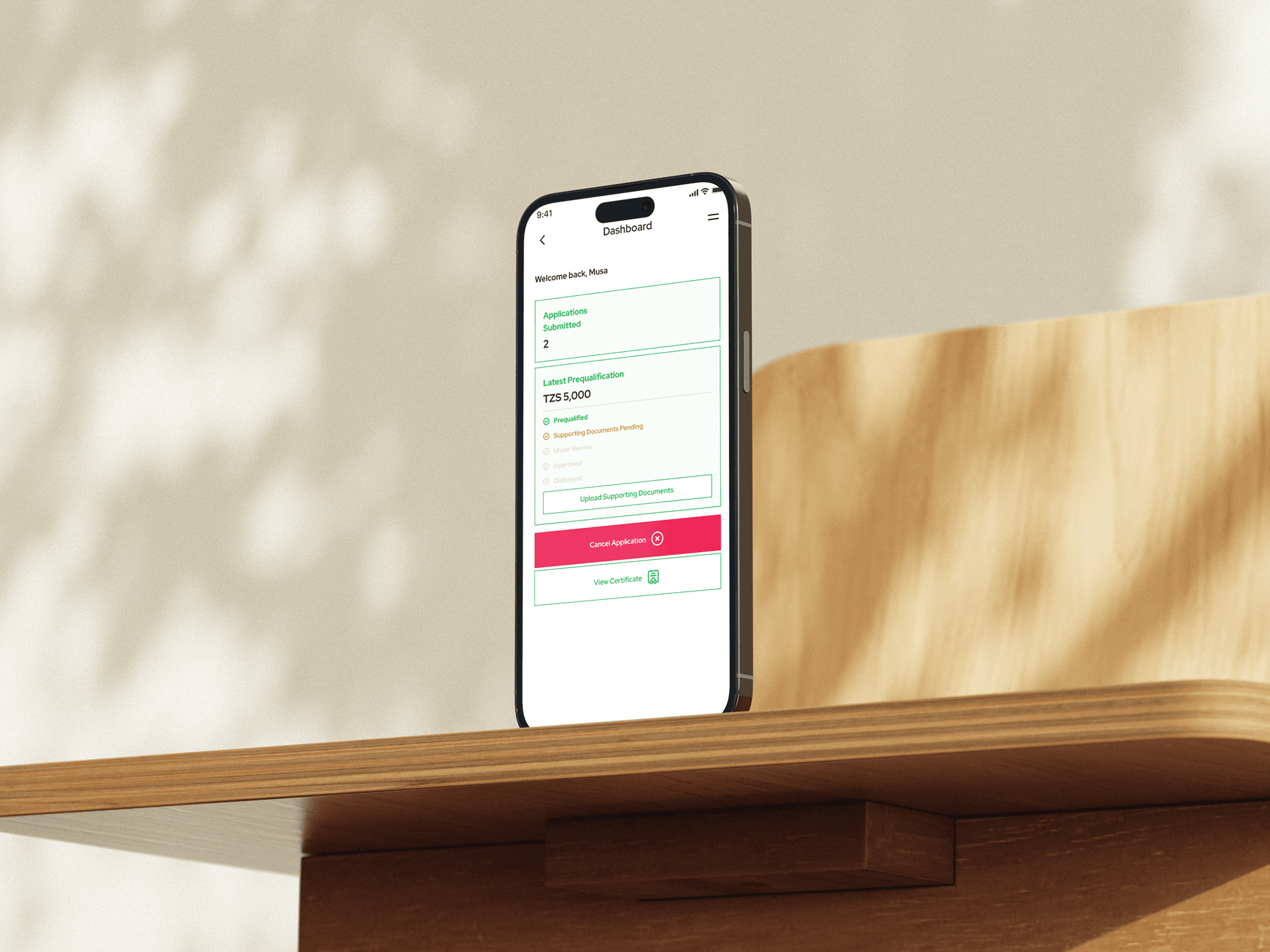
An abstract affordability result is difficult to act on. A borrower told they qualify for TZS 5,000 in vehicle financing still has to walk into a dealership and explain themselves. The certificate — downloadable, shareable, containing loan terms and an expiry date — converts an intangible decision into a usable artefact.
Trade Off
Added design and engineering complexity to what could have been a simple results screen. Worth it because it transformed the end of the user journey from a dead end into a tool.
Outcome
Live platform supporting vehicle financing use cases with a financial institution partner. Designs approved without iteration. Usability testing conducted during development. The absence of primary user research was a real gap, early versions lacked guided walkthroughs that partners requested post-launch and were scoped for a subsequent iteration.

What I Learned
This project reinforced that in credit products, transparency is not optional. Users will tolerate rejection, lower affordability, and delays. What they will not tolerate is a system that feels like it is hiding something. The harder design skill here was not deciding what to show, it was deciding what not to show at each stage of a seven-step flow. That discipline around omission has shaped how I approach every financial product since.
More Work
Automating Property
Income
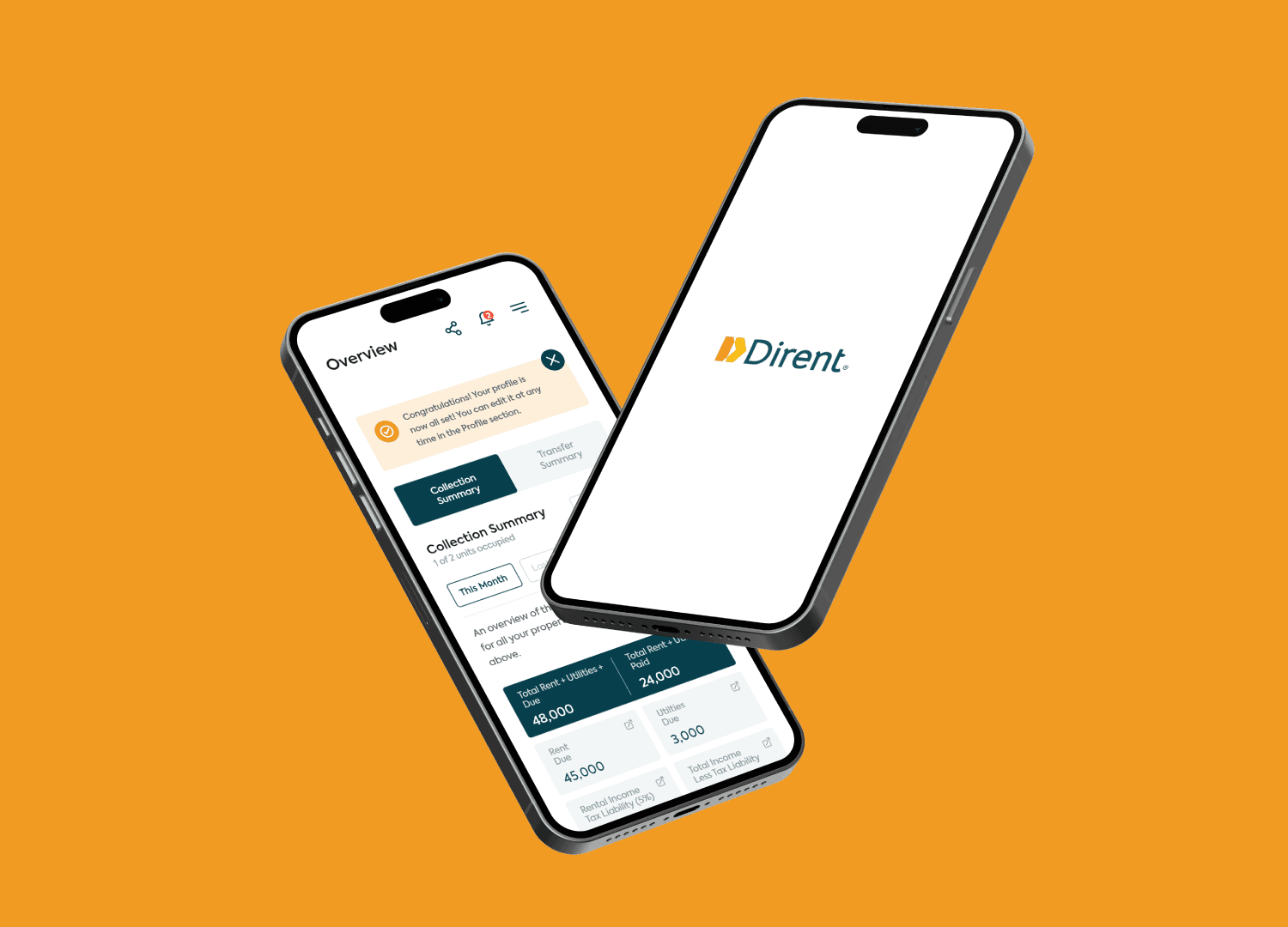
Operational fintech platform automating rent collection, reconciliation, and income visibility for independent landlords in Kenya.

Investment Platform Redesign
Redesigned consumer investment platform focused on trust, regulatory clarity, and long-horizon portfolio management. NDA-safe case study.