Client · NDA-Safe Case Study
Industry · Regulated Fintech
Region · East Africa
Investment Platform Redesign
The client's previous design was not confusing. It was being mistaken for risk.
Completed under NDA. Details generalised to protect client confidentiality. Focus is on design approach and decision-making. No internal metrics disclosed.

Brief
A regulated consumer investment platform in East Africa had been built by a vendor without cultural or contextual alignment to its intended market. Users were anxious, trust was low, and the experience was generating the wrong signals at the wrong moments. The objective was not to add features — it was to rebuild confidence in a product people were already using with reluctance.
I owned information architecture, interaction design, visual system alignment, and flow simplification under regulatory constraints. Product intent was collaborative. Design execution was independent.
The Challenge
Investment products are anxiety products. Users are not looking for features, they are looking for signals that the system is honest, that their money is safe, and that they can leave if they need to. Any ambiguity erodes trust quickly in a regulated financial product, and trust, once lost, is rarely recovered through a UI update.

Three Decisions That Mattered
Wallet-first Mental Model
Rather than leading with investment products, the interface leads with a wallet — a familiar abstraction that anchors balances, activity, and available actions before asking users to engage with financial complexity. The wallet establishes control before the product asks for commitment.
Trade Off
Investment products are less immediately visible. Some stakeholders wanted them surfaced more aggressively. Leading with products before establishing trust in the container would have replicated the original problem.
Explicit, Sequenced Consent
The original design handled disclosures inconsistently — buried in settings, surfaced unexpectedly, or absent entirely. The redesign places consent at clearly defined moments in the flow, designed as deliberate decision points rather than interstitial obstacles. Users know what they are agreeing to and when.
Trade Off
Slower conversion through onboarding and transaction flows. Informed users who consent with confidence are more valuable than fast-moving users who feel uncertain about what they agreed to.
Visibility and Reversibility as Trust Signals
Deposits, withdrawals, transfers, and record access are equally prominent. No key action is buried behind a secondary menu. Users can always see how to retrieve their money — which is the action they are most anxious about and the one most likely to determine whether they trust the platform long-term.
Trade Off
More elements on the primary interface than a minimal design approach would include. In a regulated investment product, the interface communicates the institution's relationship with the user's money. Hiding withdrawal options sends a signal regardless of intent.
Outcome
Released to production with minimal stakeholder iteration. Passed regulatory and legal review without requiring design changes; a meaningful signal given the compressed timeline. The platform demonstrated sustained user adoption growth post-launch. No design remediation was required following release.

What I Learned
Designing investment products is less about simplifying finance and more about simplifying perception. Users tolerate complexity when systems are transparent, predictable, and respectful of their agency. The instinct is to add; tooltips, explainers, onboarding flows. This project reinforced the opposite instinct: the most trustworthy interface often explains the least while revealing the most about how the system actually works.
More Work
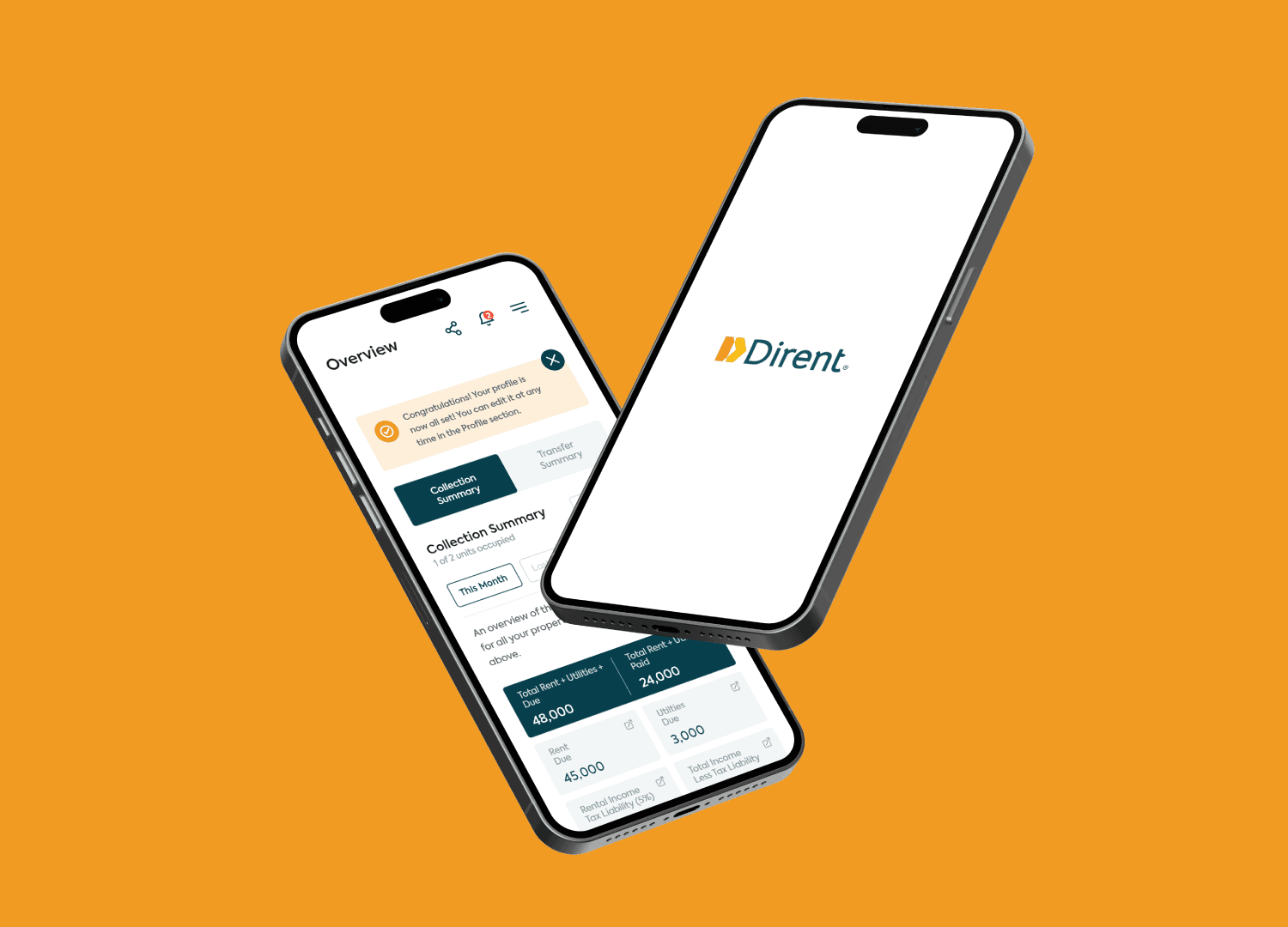
Automating Property
Income
Operational fintech platform automating rent collection, reconciliation, and income visibility for independent landlords in Kenya.
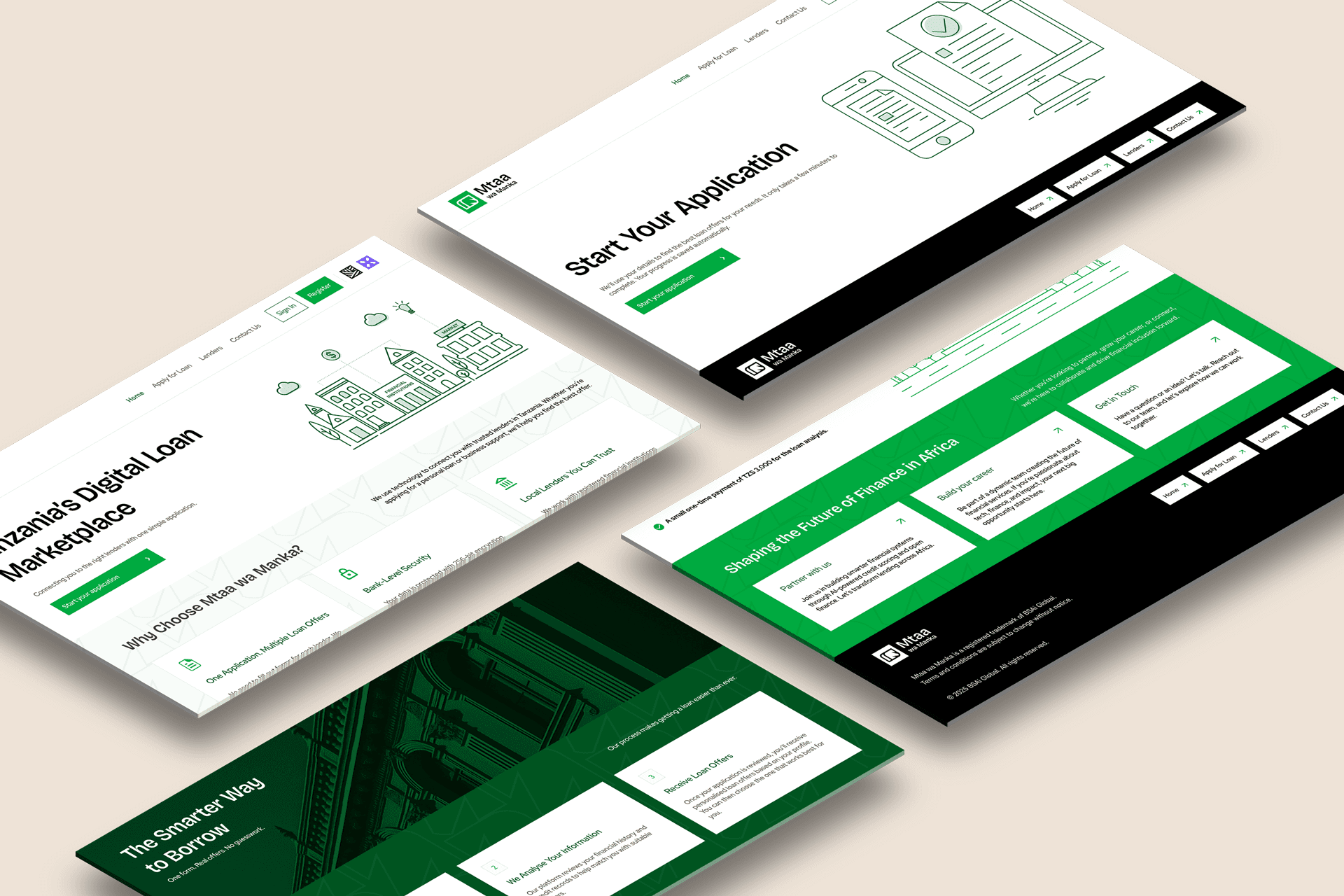
Making Alternative Financial Data Visible
Credit access platform transforming mobile money data into lender-ready affordability decisions for borrowers excluded from formal credit.